
Supporting Your Child’s Emotions During After School Meltdowns

Many parents feel confused or concerned when their child melts down after school. You might see tears over something small, irritability, defiance, or even complete shutdown. It can feel like your child is falling apart the moment they walk through the door. In reality, what you are seeing is not a behavior problem. It is a nervous system response.
Children spend the entire school day using a tremendous amount of energy to regulate themselves. They are following directions, navigating social interactions, managing expectations, and holding in a wide range of emotions. This requires constant effort, especially for young children whose brains are still developing the capacity for emotional regulation.
By the time your child gets home, their nervous system is tired. When a nervous system is overloaded, it does not stay organized. It releases. This is why after school meltdowns are so common. Home becomes the place where your child finally feels safe enough to let go of everything they have been holding in.
This is an important shift for parents to understand. Instead of asking what is wrong with my child, it is more helpful to ask what has my child been holding all day. This shift moves you out of frustration and into a more supportive, responsive role.
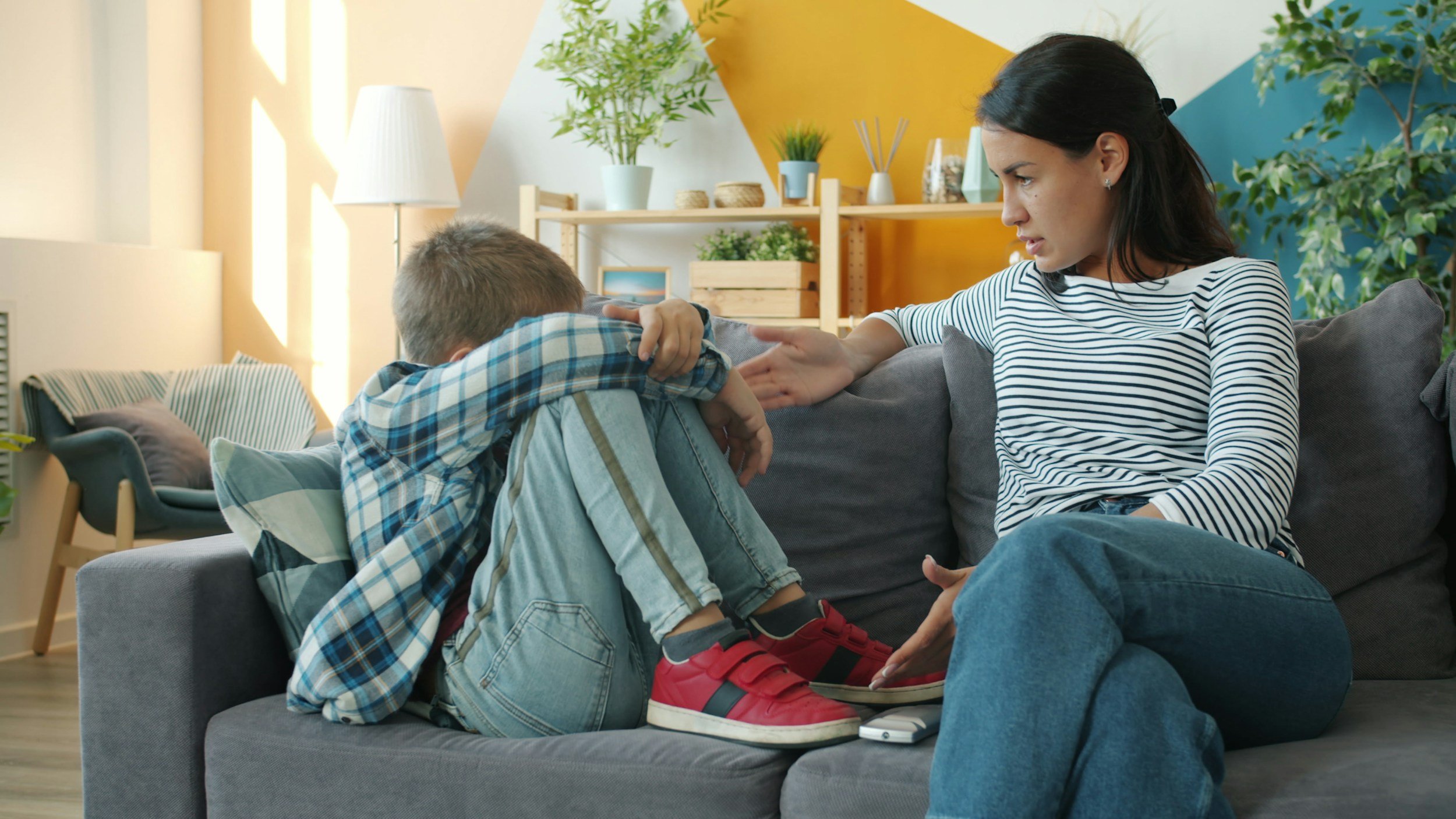
At the core of this experience is co-regulation. Co-regulation is the process through which children learn to manage their emotions by being with a calm and regulated adult. Emotional regulation is not something children can do on their own, especially when they are overwhelmed. It develops through repeated experiences of connection, safety, and support.
When your child is melting down after school, their brain is not in a state where it can respond to correction, consequences, or problem-solving. In those moments, what they need most is connection. This might look like sitting next to them, softening your voice, or simply being present without trying to fix the situation immediately. These responses help signal safety to the nervous system, which is the first step toward regulation.
The good news is that supporting your child in these moments does not require a large amount of time. Even ten minutes of intentional connection can help a child's nervous system settle. Simple activities like drawing together, sitting quietly, or being physically close without distraction can have a powerful impact. These moments support emotional regulation in a way that correction alone cannot.
Over time, these repeated experiences of co-regulation begin to shape your child's internal world. They learn that they are safe when they experience big emotions. They learn that they are not alone. And gradually, they begin to develop the ability to regulate themselves. This is how emotional resilience is built.

If your child struggles with after-school meltdowns, it does not mean something is wrong. It means their nervous system is doing exactly what it is designed to do. It is releasing stress in the place where it feels safest. Your role is not to stop the meltdown as quickly as possible, but to support your child through it with presence and connection.
Supporting emotional regulation in children is not about perfection. It is about consistency. Small, repeated moments of connection have a lasting impact on your child's development. These everyday interactions are what build emotional safety, strengthen attachment, and support long-term mental health.
