Are you an organization interested in professional training or implementation?
Explore the Conscious Care Attachment Framework™.
Gain Confidence
Build Trust
Find Happiness
Gain Confidence Build Trust Find Happiness
RESOURCES WITHIN THE FRAMEWORK


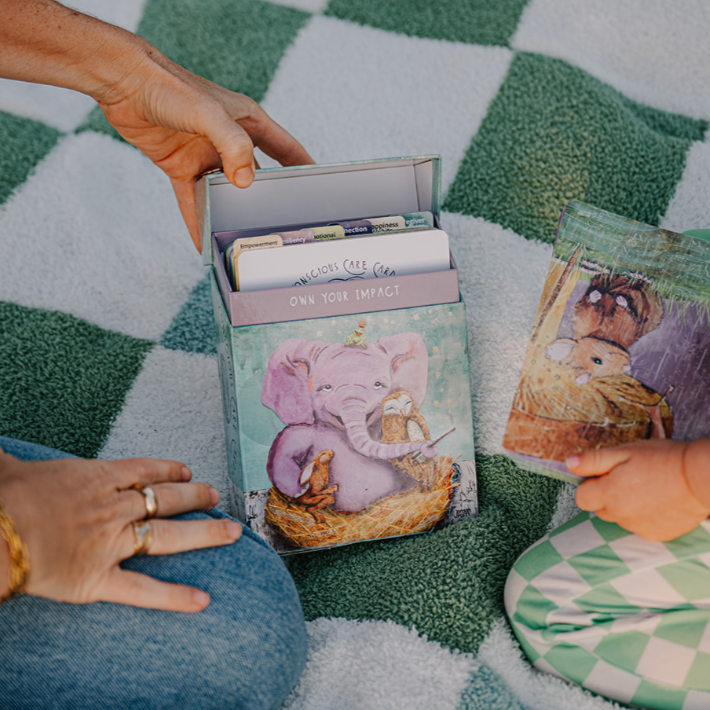
Translate attachment science into practical, relationship-based experiences that help caregivers create emotionally safe moments of connection with children.
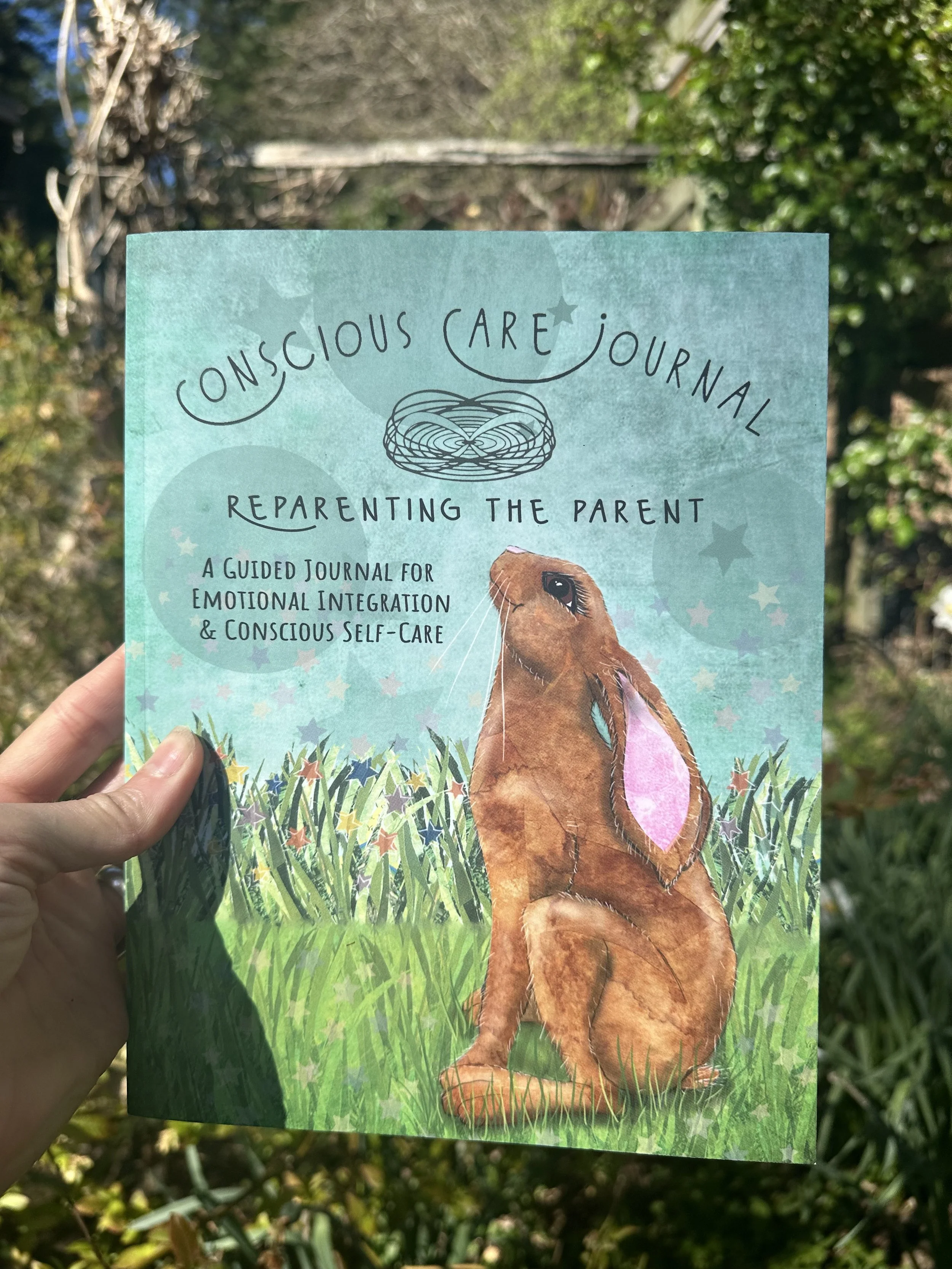
A guided journal that helps caregivers strengthen inner regulation through reflective practice, emotional awareness, and nervous system regulation.
Practical resources that support meaningful connection, caregiver reflection, and emotional well-being. Each resource can be used independently or alongside the Conscious Care Attachment Framework™.
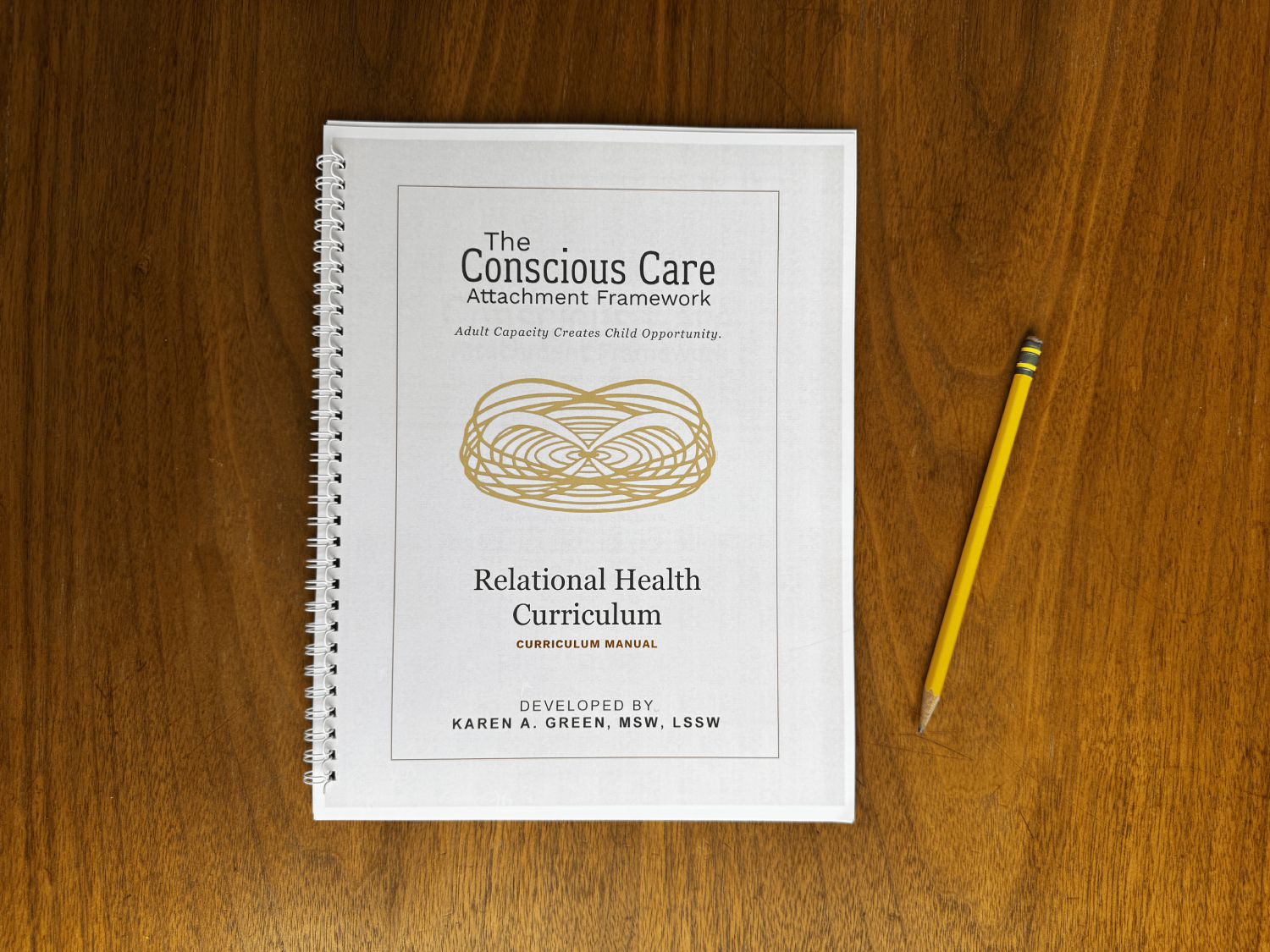
The Conscious Care Attachment Framework™ helps organizations translate attachment and relational health research into everyday practice through professional learning, a 12-module curriculum, and practical implementation resources.
For the Child and the Caregiver
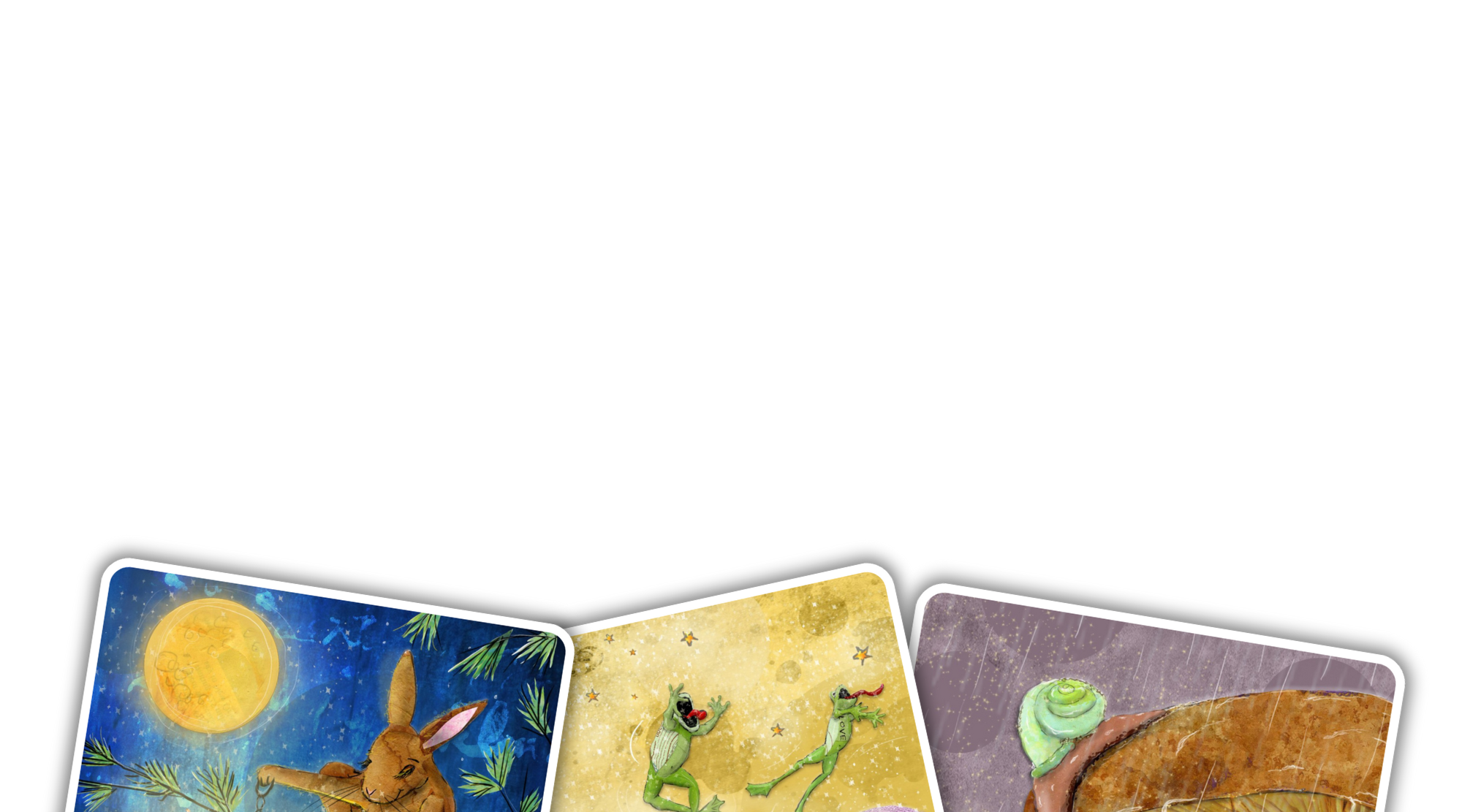
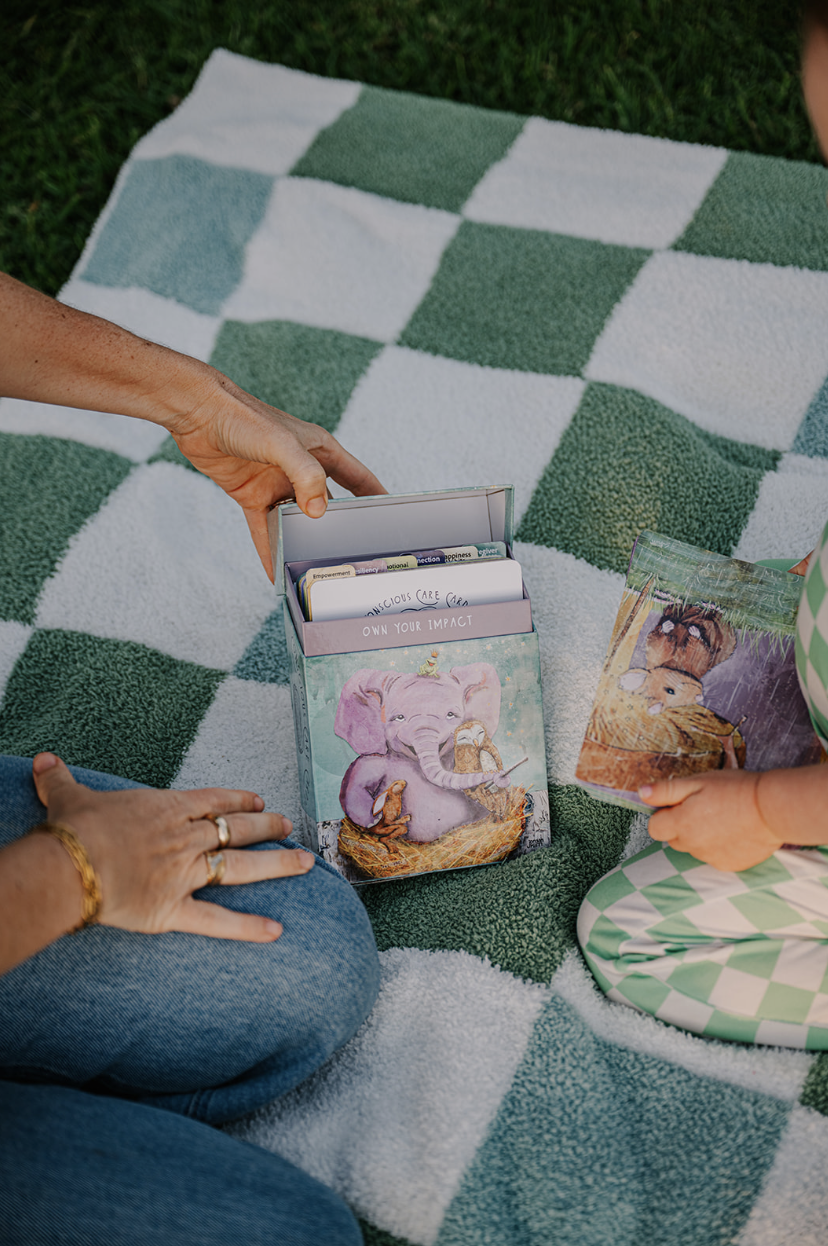
Conscious Care Cards™
A screen-free deck of guided practices that turn everyday moments into connection — the simplest place to begin.
Guided prompts · 72 cards
5–15 minutes each
For home, classroom, or care
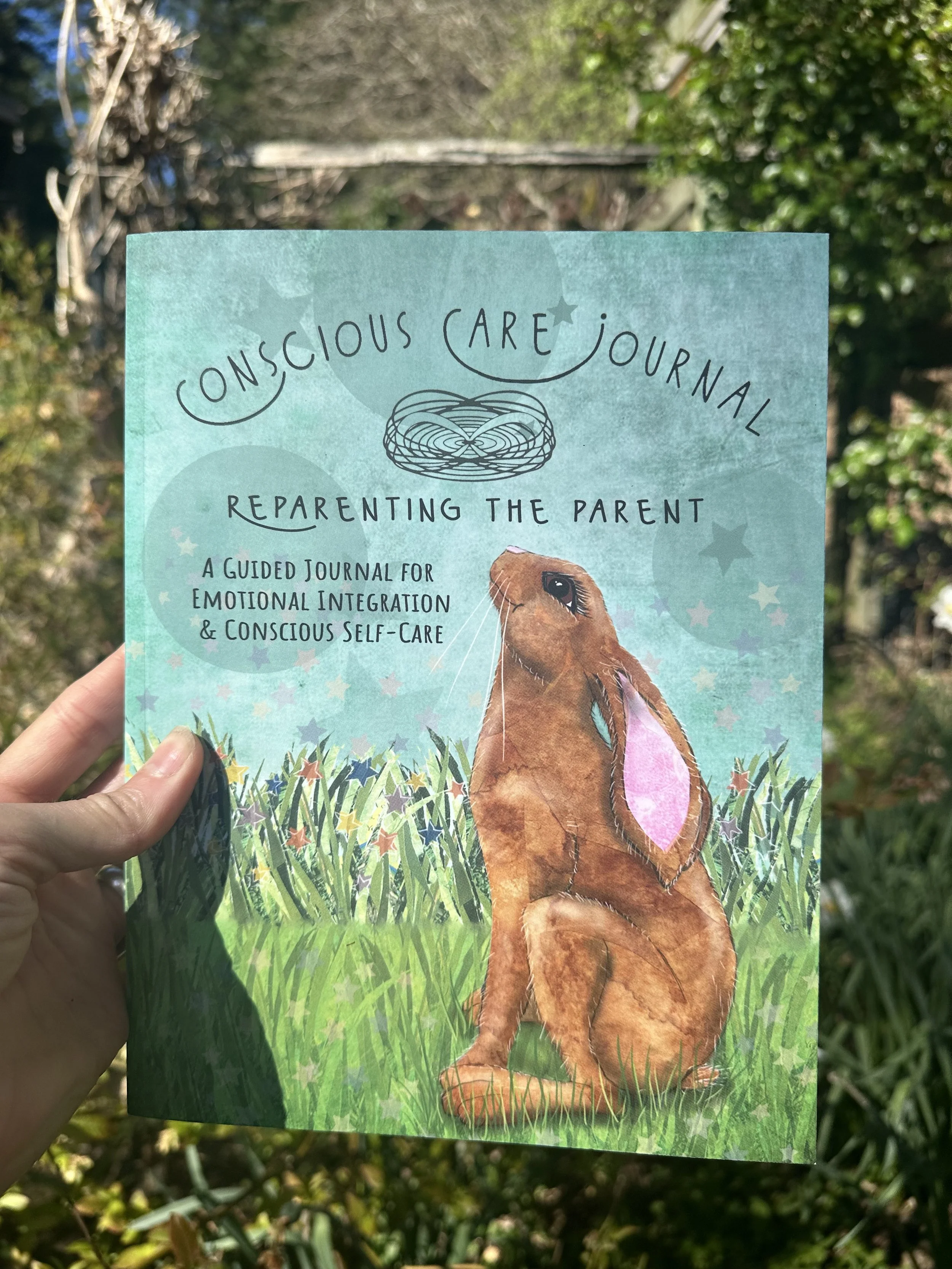
Reparenting the
Parent Journal™
A Therapeutic Guided Journal — for the caregiver
A therapeutic guided journal for caregivers: show up for yourself so you can show up for the kids in your life.
Reflective prompts
Self-regulation tools
Healing forward
For schools, hospitals & organizations
Professional Training & Organizational Implementation
Explore the Conscious Care Attachment Framework™, an organizational implementation framework that supports professional learning, workforce development, and attachment-informed practices across schools, healthcare, and family-serving organizations.
The health of the we becomes the health of the inner me.
The Conscious Care Attachment Framework™
helps translate decades of research into practical, relationship-based experiences that strengthen caregiver capacity and improve outcomes for children.
Translating interdisciplinary research into everyday practice
Grounded in neuroscience, attachment theory, and relational health research — small, repeatable moments of connection that strengthen the bond between a child and the adults who care for them.
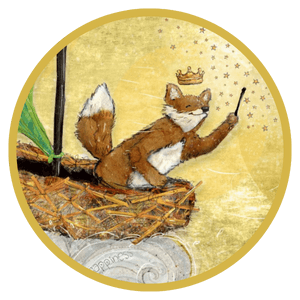
Where attachment science becomes daily practice
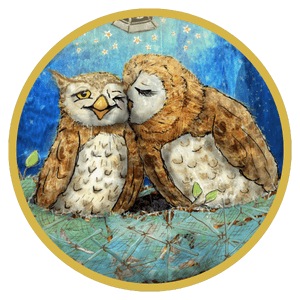
From research to relationship

Strengthening adult capacity
The science behind it

We draw on attachment theory, polyvagal principles, and neuroscience alongside Positive Childhood Experiences (PCEs) research, Positive Adult Experiences (PAEs) research, and Public Health positive-norms research to gently activate the parasympathetic nervous system, fostering calm, safety, and connection.
When a child feels safe in relationship, the body releases serotonin, oxytocin, and dopamine — supporting emotional regulation for the child and the adult beside them.

Meet Karen

Founder, Conscious Care Attachment Framework™ | Tenured Professor | Director of Mental Health Program | Speaker | Attachment-Informed Prevention & Relational Health.
For nearly three decades, I've walked alongside children, families, educators, therapists, and helping professionals. Along the way, I discovered a simple truth: children thrive when the adults surrounding them have the capacity to remain present, reflective, and emotionally available.
That belief led me to develop the Conscious Care Attachment Framework™, translating decades of research into practical tools that strengthen relationships across families, schools, healthcare, and communities. Because when we strengthen the adults, we strengthen the children.
Karen has developed an implementation framework that helps organizations translate the science of relational health into everyday practice.
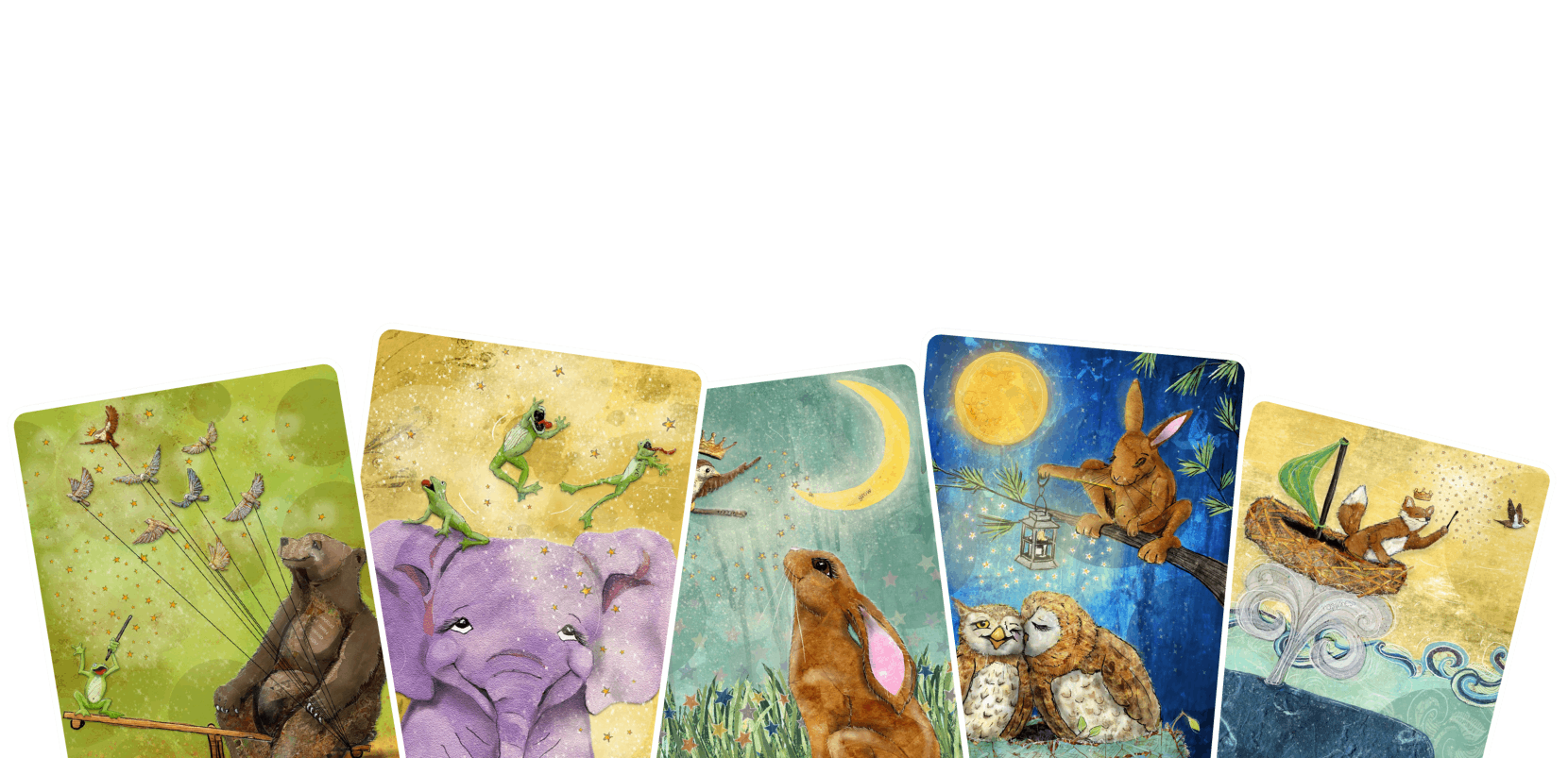
Honoring the Inner Landscape
Every human being carries an inner landscape of thoughts, emotions, memories, hopes, fears, and lived experiences that quietly shapes how they move through relationships. The Conscious Care Attachment Framework™ is built on a simple belief: to honor another's inner landscape, we must first become brave enough to explore our own inner terrain. Our own growth is one of the greatest gifts we can offer the people we love.
What They’re Saying
-
![Brown bunny illustration from Conscious Care Cards, with pink inner ears, sitting in grass surrounded by stars inside a circular frame, representing gentle parenting and child emotional connection.]()
My son loved the Giggle Pump activity! He wants to do it every day. These cards were way more fun than I expected.
JACKIE, Parent of a 6-year-old son
-
![Owl and baby owl illustration from Conscious Care Cards, adult owl nuzzling young owl in a nest under a starry night sky, symbolizing parent-child bonding, empathy, and emotional regulation tools for children.]()
The art drew Stella in; now she calls it 'The Elephant game." I love that she sees this as a game, and I feel like a better parent with every card we do.
TAMARA, Parent of a 9-year-old girl
-
![Fox illustration from Conscious Care Cards, wearing glasses and a crown, sitting in a woven basket and pointing a wand at a starry sky, supporting imaginative play, child guidance, and emotional learning in parenting.]()
I wasn't sure if these cards would be right for my son because he suffers from ADHD, but they not only kept him engaged, but he asked if we could do two in a row!
SIMPSON, Parent of a 10-year-old son with ADHD
-
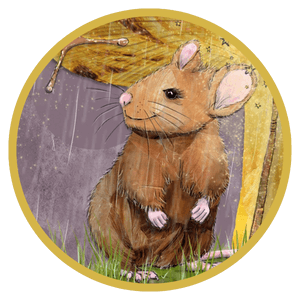
![Mouse illustration from Conscious Care Cards, standing on grass under a tree in the rain, representing gentle parenting, emotional regulation, and tools for fostering authentic child-parent connection.]()
This is exactly what I was looking for! I am an engineer and not a 'touchy feelie' parent, but these activities give me just the right kind of guidance to know how to have feeling-centered conversations with my daughter.
VICKY, Parent of an 8-year-old daughter.
-
![Brown bunny illustration from Conscious Care Cards, with pink inner ears, sitting in grass surrounded by stars inside a circular frame, representing gentle parenting and child emotional connection.]()
I have always known I should teach my child more about emotions, but until now, I had NO idea how even to bring up the subject. Now I feel like I have a guidebook.
JESSICA, Parent of Olivia age 8
-
![Owl and baby owl illustration from Conscious Care Cards, adult owl nuzzling young owl in a nest under a starry night sky, symbolizing parent-child bonding, empathy, and emotional regulation tools for children.]()
Liam has BIG feelings to say, the least. I was kind of scared of how big they were. But now, we have a way to talk about them together that doesn't make Liam feel bad. Thank God for CCC!
MICHAEL, Parent of Liam age 10
-
![Fox illustration from Conscious Care Cards, wearing glasses and a crown, sitting in a woven basket and pointing a wand at a starry sky, supporting imaginative play, child guidance, and emotional learning in parenting.]()
The bunny and the owls drew Poppy in, and now she wants to invite the characters into our activities.
ASHLEY, Parent of Poppy age 5
-
![Mouse illustration from Conscious Care Cards, standing on grass under a tree in the rain, representing gentle parenting, emotional regulation, and tools for fostering authentic child-parent connection.]()
There is so much social/ emotional stuff out there, but none of it connected to us as a family. But Conscious Care Cards are easy and super fun! It feels like we are sneaking in social/ emotional learning into a game. We keep them on the kitchen counter and pull one when we have a few minutes.
CHRISTOPHER, Parent of Emma age 7