
Conscious Care Cards Blog:
Insights for Parents & Children
Welcome to the Conscious Care Cards Blog, your go-to destination for guidance, inspiration, and practical tips for families on their mindful journey. Here, parents, caregivers, and children can explore helpful content on emotional growth, reflective practices, and building stronger connections. Use our search and filter tools to quickly find the topics that matter most. This is your hub for learning and exploring ways to make an impactful parent-child relationship.

Artificial Intelligence, Relational Health, and Positive Childhood Experiences
Artificial intelligence is entering the environments that shape childhood. A position paper on evaluating it by one relational test: does it strengthen or weaken the relationships and Positive Childhood Experiences children need to thrive?

Children Need Both Love and Limits:
Attachment-informed care doesn’t mean no consequences. Why children need both connection and reliable limits, and how to hold boundaries with steadiness while keeping the relationship intact.

Beyond the Family:
Attachment theory isn’t only about parents and children. Here’s the case for it as a common language across families, schools, healthcare, and behavioral health, so systems create continuity rather than fragmentation for the children moving through them.

Why Organizational Health Is a Critical Determinant of Child Outcomes
Children do not experience systems. They experience relationships. Why organizational health and adult relational capacity are among the foundational conditions through which strong child outcomes are achieved.

Why Family Engagement Requires More Than Parent Nights: Rebuilding Trust Between Schools and Families
Schools pour energy into parent nights, yet trust is built or eroded in the everyday interactions in between. The story of a principal who rebuilt family engagement by changing the relationship, not the programming.
From Therapeutic Journal to Parenting Group
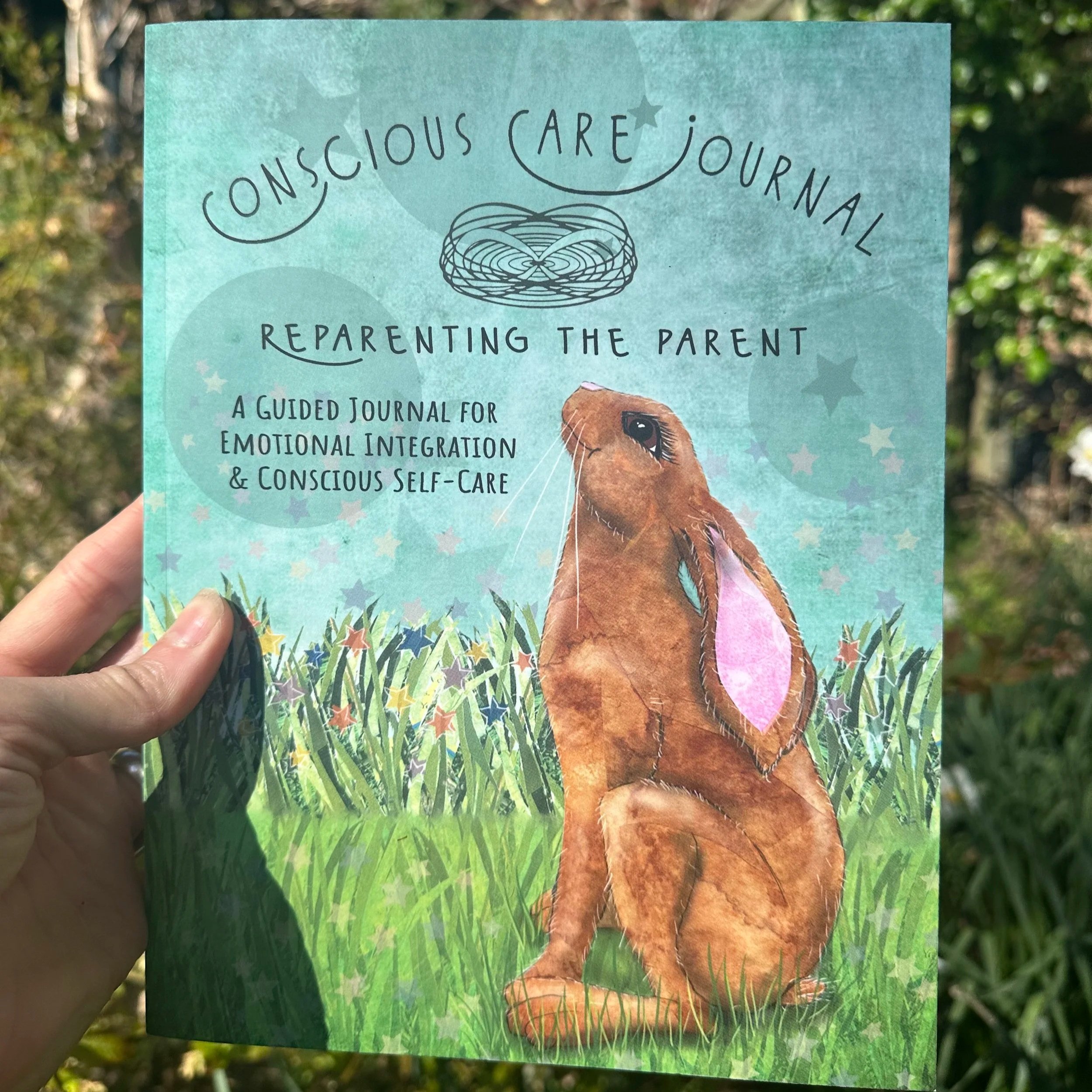
The Reparenting the Parent journal was written as a therapeutic journey, and it doubles as a ready-made 10-week parenting group curriculum. Here’s how therapists can use it, with a companion facilitator guide in the works.

When Professional Uncertainty Replaces Relational Presence
Uncertainty is inevitable in helping work. When it surfaces as impostor feelings or rescue-oriented helping, it can quietly erode our relational presence with the families we serve, and organizations have a role in restoring it.

Organizational Psychology, Public Health, and Relational Health: Toward an Integrated Framework for Human Flourishing
Organizational psychology and public health share a common goal: designing environments where people thrive. The Conscious Care Attachment Framework connects the two by strengthening the relational capacity of the adults who care for children.

Mental Health Month: Trust Your Relationship With Your Child
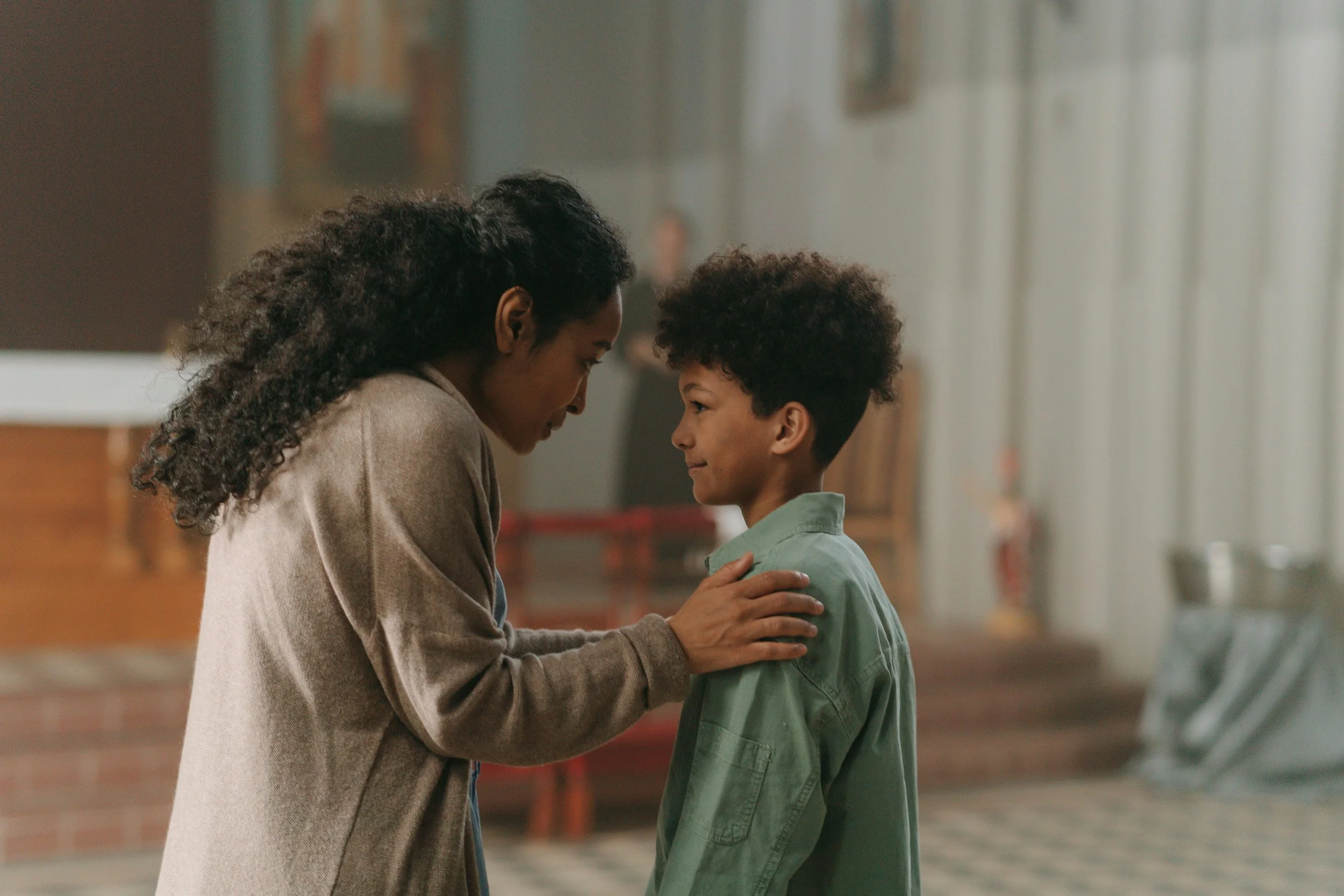
Every parent has this thought at some point: What if my child struggles with their mental health? What if I miss something? What if I don’t do enough? It’s quiet, but it’s there. And during Mental Health Awareness Month, I don’t want to add to that fear. I want to ground it. Because what I tell parents over and over, in my groups and in my community, is this: trust your relationship with your child.

Supporting Your Child’s Emotions During After School Meltdowns
By the time your child gets home, their nervous system is tired. When a nervous system is overloaded, it does not stay organized. It releases. This is why after school meltdowns are so common. Home becomes the place where your child finally feels safe enough to let go of everything they have been holding in.

Parenting Differently: The Quiet Work No One Sees
The patterns that were carved into your nervous system long before you had language do not disappear simply because you want them to. Under stress, exhaustion, or time pressure, the body defaults to what it knows. Old reactions surface. Familiar tones come out of your mouth before you have time to stop them. Feelings you buried long ago quietly take the wheel.
READ MORE

How the Nervous System Shapes Child Behavior
When a child’s nervous system is overwhelmed, behavior is not a choice. It’s a signal. It is communication. At that moment they need our help; they need us to see them.
READ MORE
How Emotionally Intelligent Are You as a Parent?
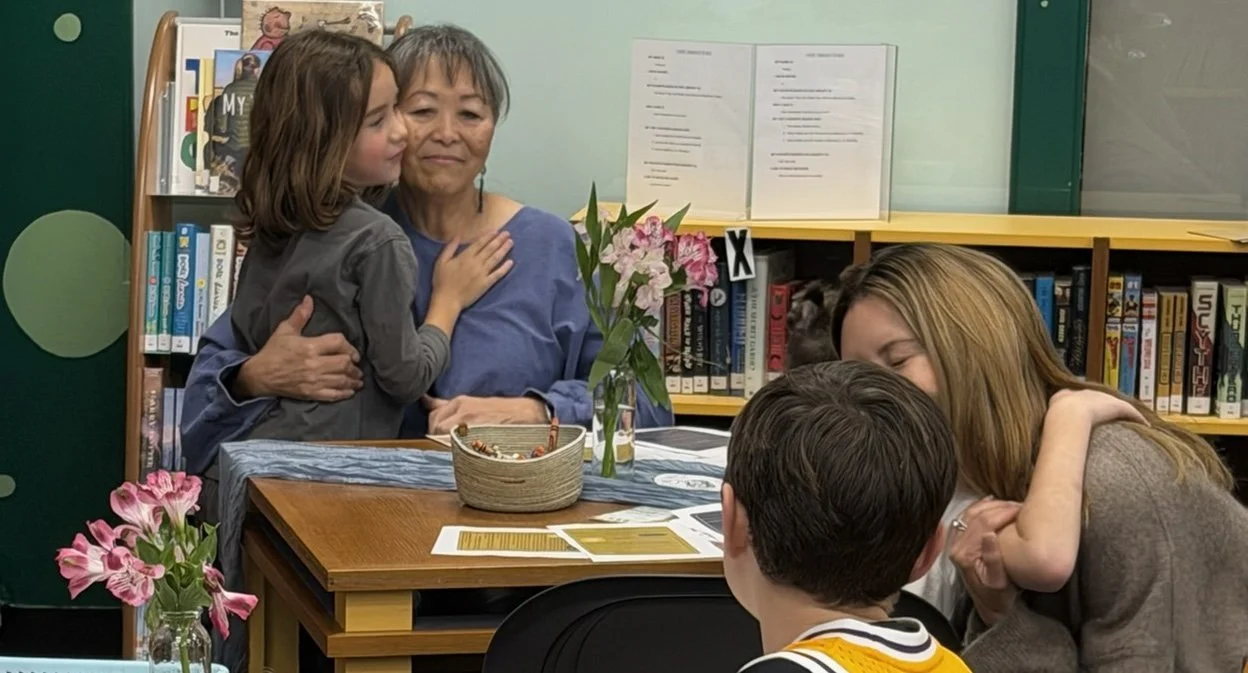
In this short video, Conscious Care founder Karen Green, MSW, LSSW invites parents to take a simple emotional intelligence self-check. Through 10 reflective questions, you’ll explore how you name your emotions, regulate overwhelm, repair after disconnection, and extend compassion to yourself in the same way you do to your child.
WATCH THE VIDEO
The Four Parenting Styles - Which one are you?
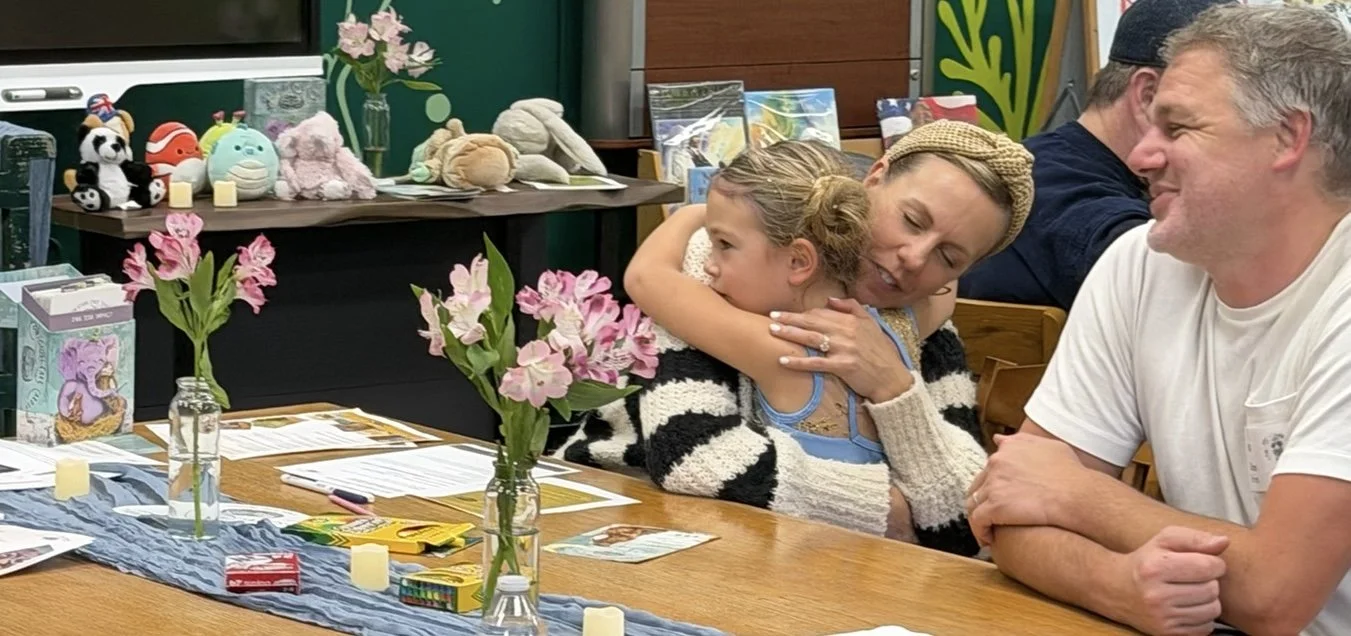
There are four widely recognized parenting styles, each shaping a child’s emotional development, nervous system, and sense of safety in different ways. Understanding these styles can help parents reflect not only on how they were raised, but how they are showing up now.
WATCH THE VIDEO

A 2-Minute Bedtime Reset That Calms Your Child’s Nervous System
Many parents struggle with bedtime routines for kids—especially when their child is exhausted but can’t settle. Nighttime anxiety, big emotions, and worries often surface right as the lights go out. The transition from doing to resting is hard for many of us.
READ MORE

Supporting Children and Families During a Hospital Stay
Pediatric hospital rooms can be especially challenging spaces. They are unfamiliar, clinical, and often frightening for children. For caregivers, it can feel overwhelming, particularly when your heart is breaking and you don’t know how to help. This is where intentional emotional support matters and Conscious Care Cards can help.
READ MORE

A Luxury-Level, Research-Backed Tool for the Families You Serve
For adoptive families with children ages 5–11 — a developmental window rich with curiosity, emotional intensity, and identity formation — those micro-moments of connection matter profoundly.
READ MORE

A Clinically Proven Enrichment Tool Pediatricians Can Use to Partner with Families
What if there were something you could literally hand a family that offers structured support without adding more appointments, more pressure, or more overwhelm? That’s exactly where Conscious Care Cards fit.
READ MORE

Clinically Proven Tool You Can Use in Your Child & Family Therapy Sessions
In child and family therapy, some of the most meaningful breakthroughs don’t come from rehashing the past; they come from witnessing a moment of connection happen in real time.
READ MORE