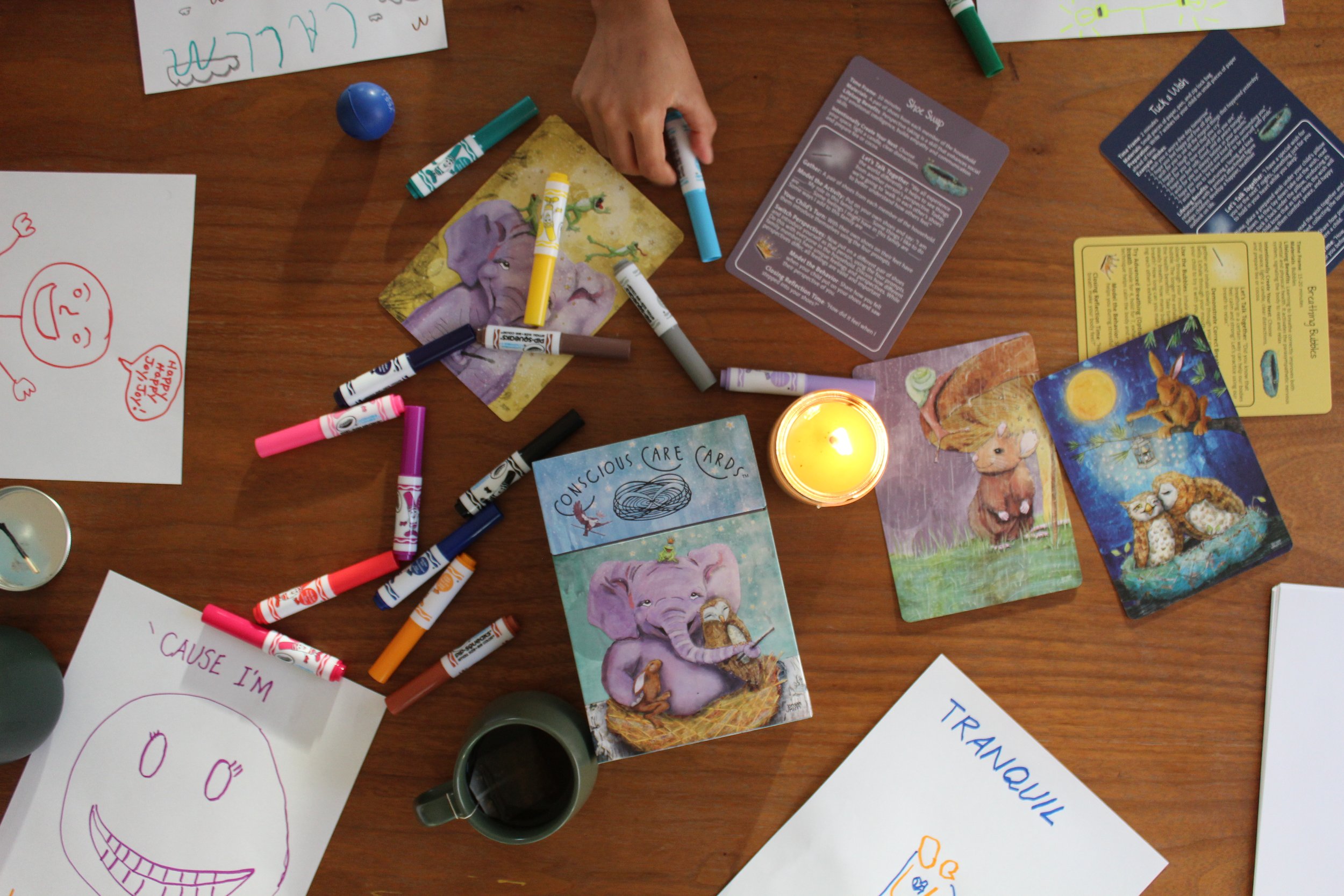
Research Foundation
Attachment
HOPE
PCEs
Positive Adult Experiences
Nervous System Regulation
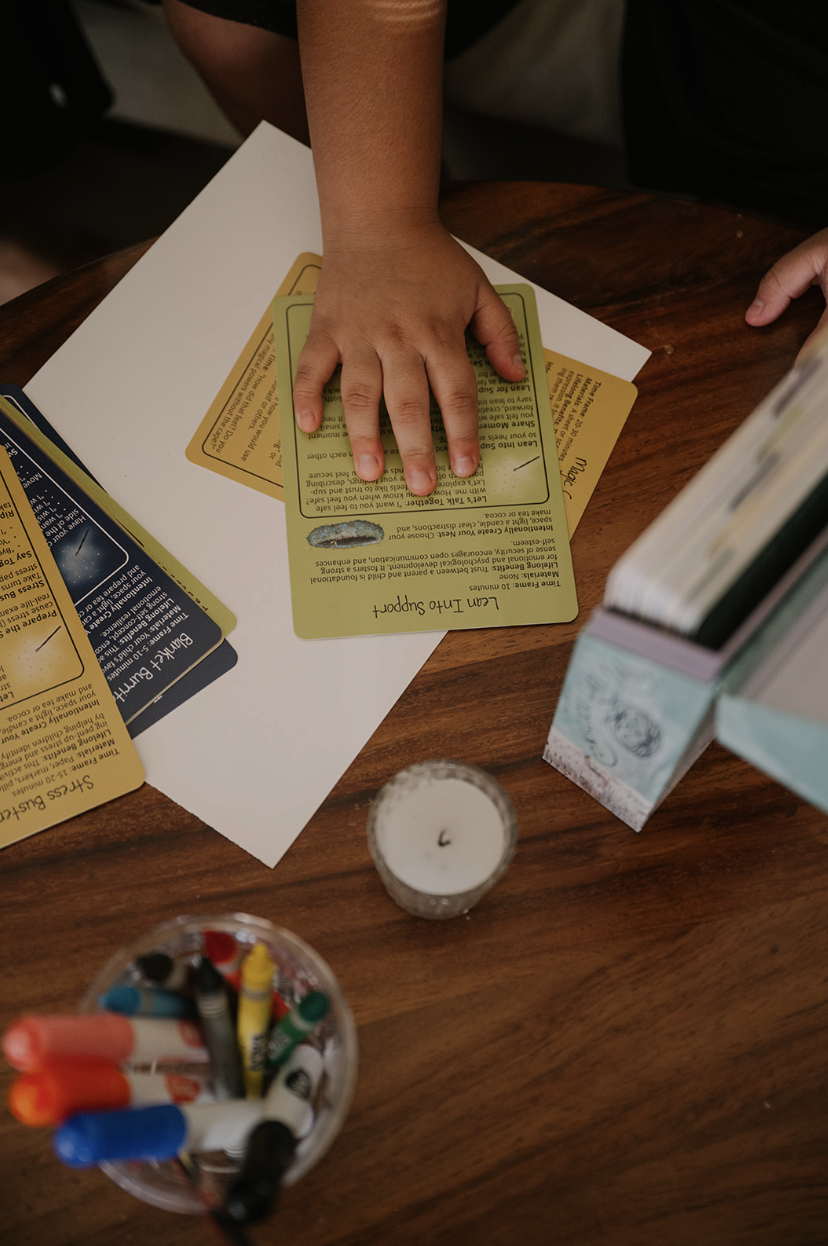
Curriculum Structure
12 Training Modules
Workforce Training
Family Application
Hospitals & Public Health
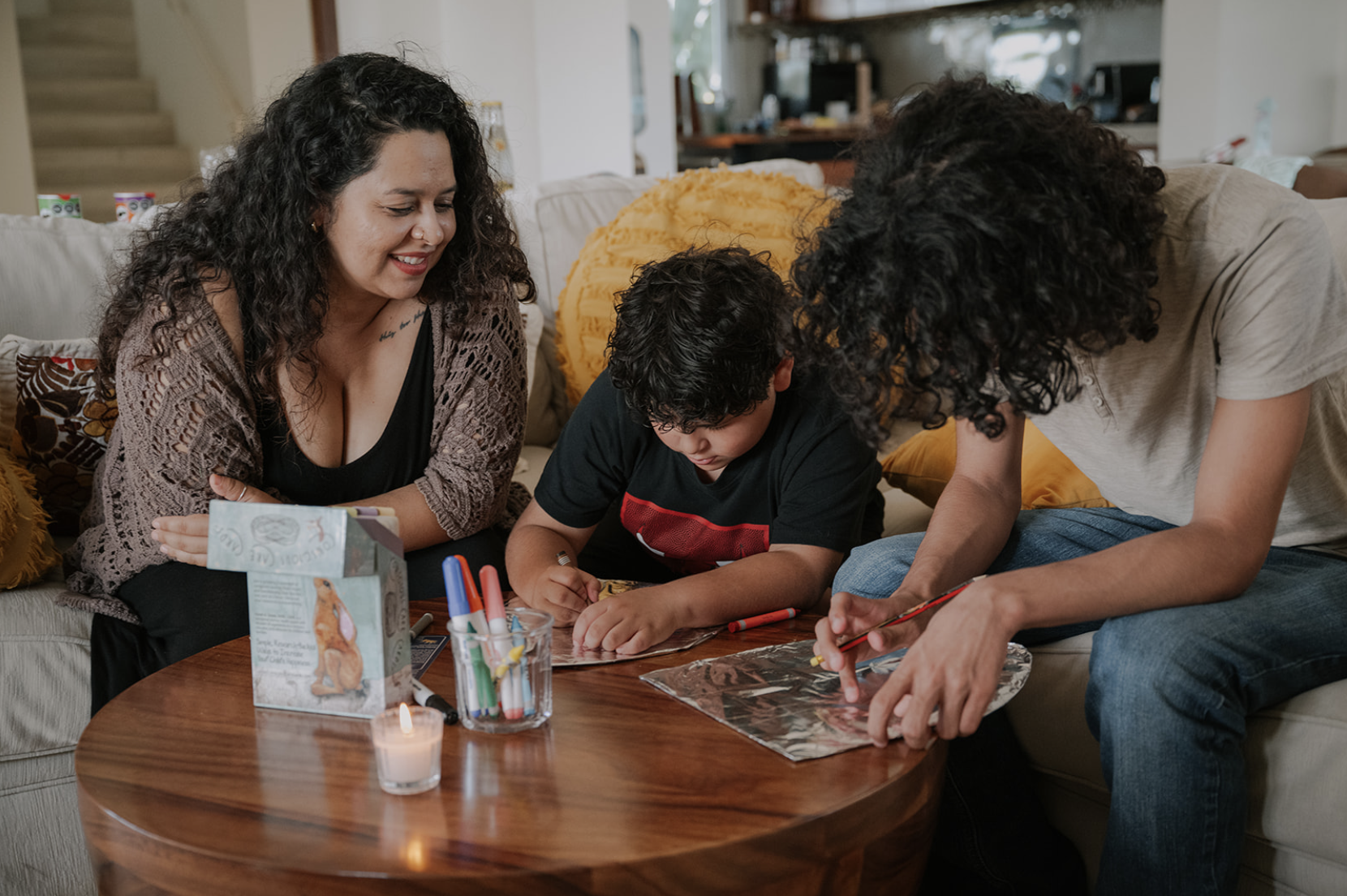
Primary Outcome
Relational Continuity Across Environments
Conscious Care Attachment Framework™

An Established Relational Health Curriculum for Families, Schools, Hospitals & Public Health
The Conscious Care Attachment Framework™ is a proprietary relational health curriculum and workforce development framework designed to strengthen caregiver-child relationships, support healthy nervous system development, and promote positive developmental outcomes through the power of connected relationships.
Developed by Karen A. Green, MSW, LSSW — licensed social worker, tenured professor, mental health program director, and creator of the Conscious Care Attachment Framework — the curriculum reflects nearly three decades of experience supporting children, families, caregivers, educators, healthcare and public-health professionals, and helping professionals.
Grounded in attachment science, Positive Childhood Experiences (PCEs) research, Positive Adult Experiences (PAEs) research, the HOPE (Healthy Outcomes from Positive Experiences) framework, interpersonal neurobiology, nervous system literacy, trauma-informed practice, and co-regulation science, the Framework translates research into practical tools that can be implemented by caregivers and professionals in everyday interactions.


Guiding principle
Children are shaped by relationships across environments. By strengthening Positive Childhood Experiences, secure attachment relationships, emotional safety, and co-regulation across the environments where children live, learn, heal, and grow, adults help create the conditions that support lifelong health, resilience, and well-being.
The health of the we becomes the health of the inner me.
Designed for
Home Visiting Programs
Early Childhood Programs
Family Support Programs
Schools
Hospitals & Healthcare Systems
Public Health Programs
Child Life Programs
Mental Health Providers
Foster and Adoptive Care Programs
Community-Based Organizations
Parent Education Programs
Curriculum Modules
The Conscious Care Attachment Framework includes twelve integrated curriculum modules:
Foundations of Early Relational Health
Positive Childhood Experiences (PCEs), HOPE, and Protective Factors
Attachment Science and Secure Relationships
Parenting Styles and Child Outcomes
Infant and Early Childhood Mental Health
Nervous System Literacy and Co-Regulation
Trauma-Informed and Attachment-Informed Practice
Practical Relational Interventions
Reflective Practice and Workforce Capacity
Relational Continuity Across Cultures, Communities, and Environments
Supporting Caregiver Reflection and Intergenerational Healing
Implementation and Sustainability
Curriculum Foundations
The curriculum integrates:
Attachment Theory
Positive Childhood Experiences (PCEs) Research
HOPE (Healthy Outcomes from Positive Experiences)
Interpersonal Neurobiology
Polyvagal-Informed Nervous System Literacy
Co-Regulation Science
Parenting Styles Research
Attachment Styles Research
Trauma-Informed Practice
Infant and Early Childhood Mental Health
Relational Health Research