
Beyond the Family:
Applying Attachment Theory As A Bridge Across Our Systems of Care
Why Attachment Theory May Be the Common Language Connecting Public Health, Education, Healthcare, Behavioral Health, and Families
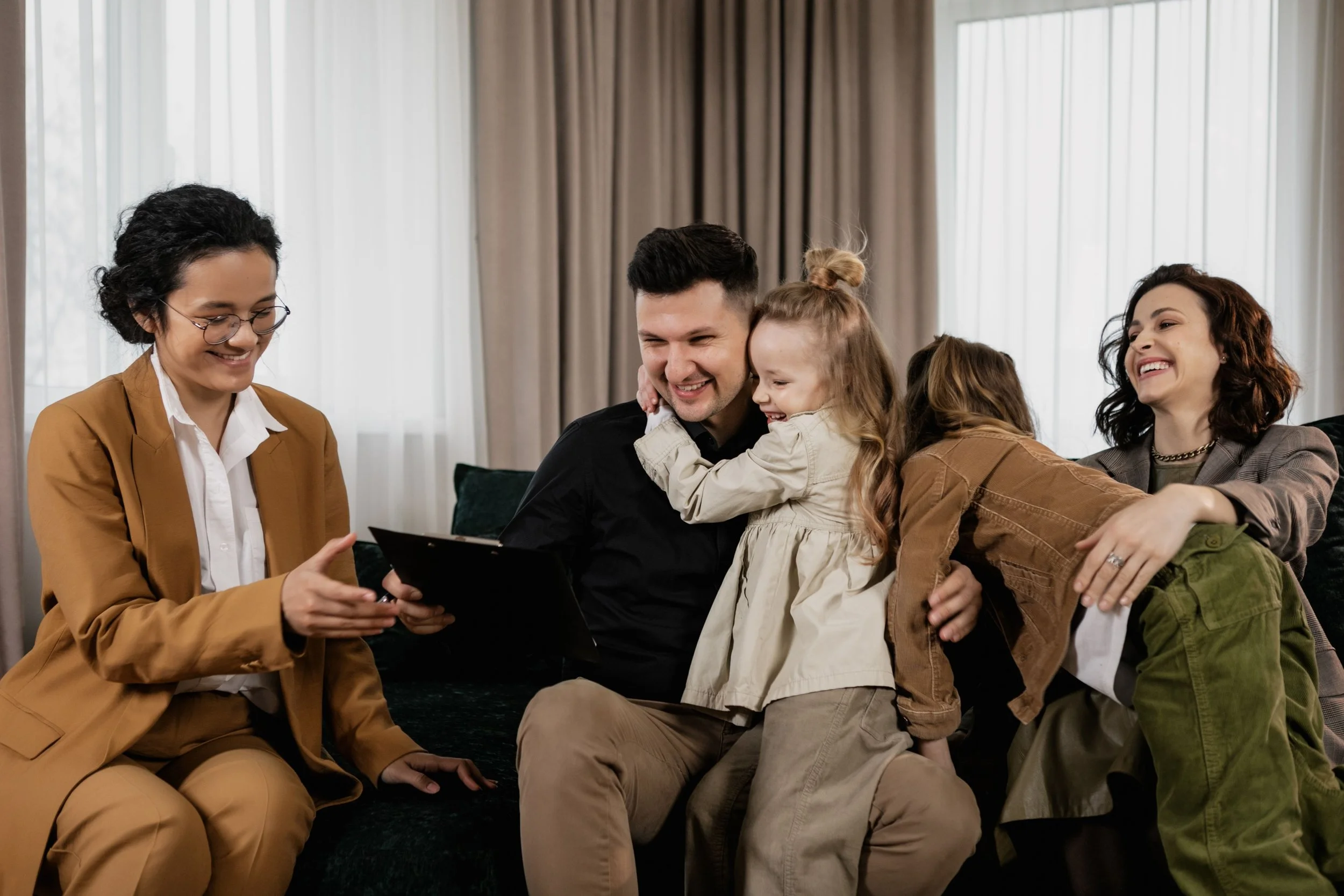
As a school social worker, I spent years sitting beside children whose behaviors were often misunderstood. Behind the aggression, withdrawal, anxiety, perfectionism, and emotional dysregulation, I rarely saw “bad kids.” I saw children whose relationships had shaped the way they experienced safety, trust, and connection. Long before neuroscience confirmed what many clinicians already suspected, attachment theory helped me understand that behavior is often a form of communication, and that relationships are the primary context through which healing occurs.
Now, as a professor preparing the next generation of social workers and human service professionals, I found myself teaching an expanding body of research that extended well beyond attachment theory. Students were learning about interpersonal neurobiology, Adverse Childhood Experiences (ACEs), Positive Childhood Experiences (PCEs), Positive Adult Experiences (PAEs), Early Relational Health, trauma-informed care, reflective supervision, resilience, and nervous system regulation. Each field offered valuable insights, yet they were often presented as separate bodies of knowledge rather than as complementary perspectives that describe the same relational processes.
More recently, through my work developing the Conscious Care Attachment Framework™, I have become increasingly interested in a different question. Rather than asking how we teach each body of research independently, what if we asked how organizations could integrate them into one coherent framework for practice? What if attachment theory served not simply as a developmental theory about children but as a unifying framework for understanding relationships across families, schools, healthcare systems, behavioral health organizations, child welfare agencies, community programs, and public health initiatives?
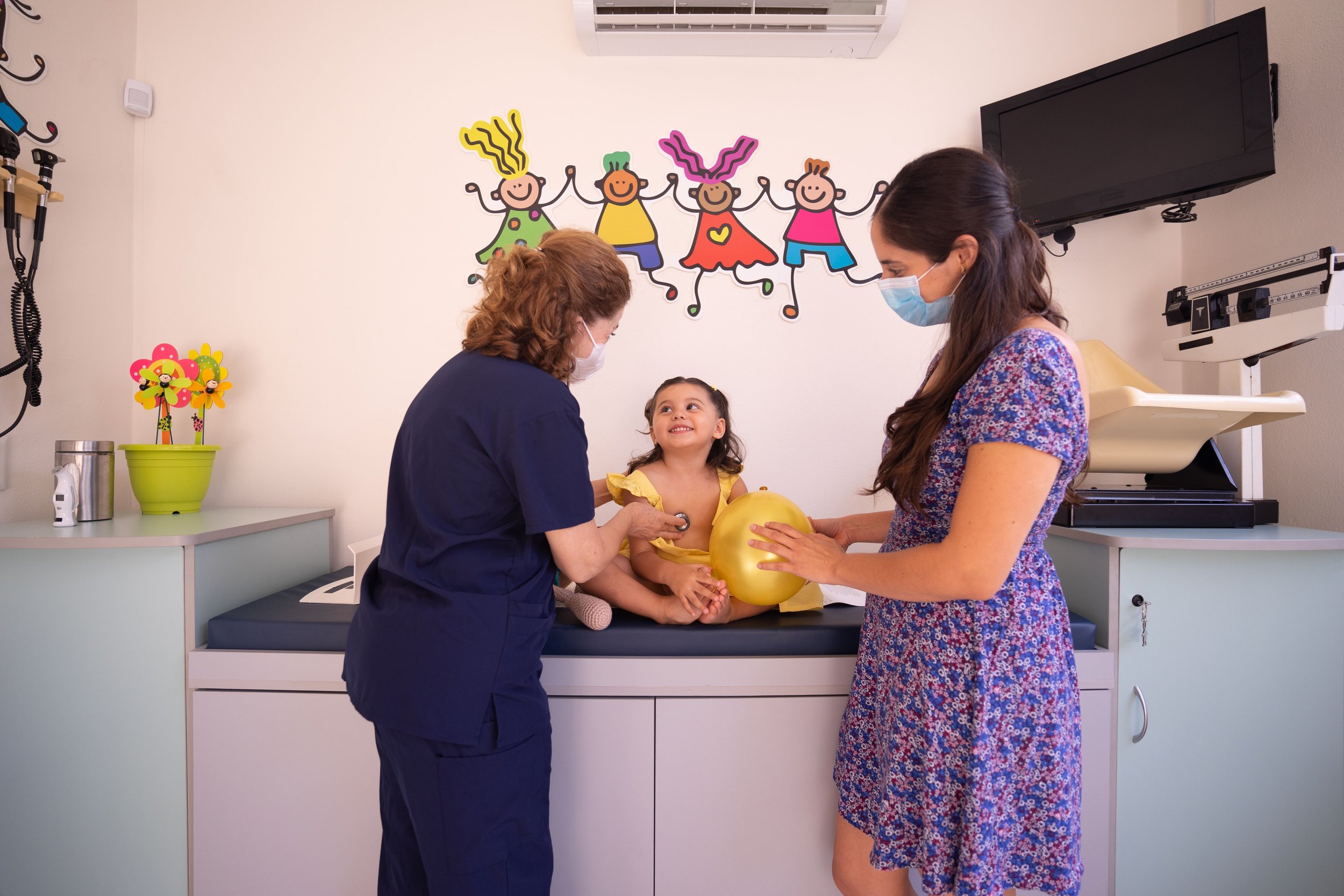
Current research increasingly suggests that relationships influence outcomes across all of these environments. Attachment research has demonstrated the importance of secure relationships for emotional development. Early Relational Health emphasizes that nurturing caregiver-child interactions shape lifelong well-being. Positive Childhood Experiences identify relational protective factors associated with resilience. Positive Adult Experiences extend this work by recognizing that supportive adult relationships continue to influence health across the lifespan. Organizational psychology has begun to demonstrate that attachment processes influence trust, supervision, burnout, engagement, and leadership in the workplace. Reflective supervision research similarly suggests that psychologically safe supervisory relationships strengthen reflective capacity and professional well-being.
Viewed together, these findings suggest something larger than any individual discipline. They suggest that relationships may be among the most important common mechanisms by which healthy development, workforce well-being, organizational effectiveness, and public health advance.
This realization became the foundation of the Conscious Care Attachment Framework™.
The Framework was not developed to replace existing theories. Rather, it was developed to help organizations translate extraordinary interdisciplinary research into practical implementation. Its purpose is to bridge research that is often studied separately and apply it consistently across the environments in which children and families live, learn, receive healthcare, and experience community. Rather than asking professionals to master disconnected frameworks, the Conscious Care Attachment Framework™ asks a simpler question: How do we intentionally strengthen the relational capacity of every adult who influences a child's life?
This perspective also changes how we think about workforce development. Traditionally, organizations invest in technical competence through education, certification, and continuing professional development. These investments remain essential. However, current attachment research suggests that workplace relationships themselves influence trust, psychological safety, burnout, engagement, and professional effectiveness. Reflective supervision research similarly demonstrates that the quality of relational support often matters more than organizational policy alone.

The Conscious Care Attachment Framework™ therefore proposes that workforce development should extend beyond increasing knowledge. Organizations must also intentionally cultivate caregiver relational capacity by creating psychologically safe environments that normalize reflection, continuous learning, responsive supervision, and help-seeking. In doing so, organizations begin applying the same attachment-informed principles internally that they expect professionals to extend to children and families.
This represents a shift from isolated interventions toward relational ecosystems. Children do not experience healthcare independently of education. Families do not experience behavioral health independently of public health. Home visitors, teachers, pediatricians, therapists, child welfare professionals, and community organizations all contribute to a child's relational environment. When each system operates from different assumptions, families experience fragmentation. When systems share a common relational language grounded in attachment, emotional safety, and human development, continuity becomes possible.
The Conscious Care Attachment Framework™ proposes that attachment theory provides more than an explanation for early childhood relationships. It offers a framework for designing relationally responsive organizations, strengthening workforce capacity, supporting families, and promoting public health across the lifespan. By integrating attachment science with Early Relational Health, Positive Childhood Experiences, Positive Adult Experiences, organizational psychology, reflective supervision, and nervous system science, the Framework seeks to bridge research and everyday practice.
As a social worker, professor, and now creator of the Conscious Care Attachment Framework, I have come to believe that the future of relational health depends not on discovering entirely new science but on helping organizations consistently live the remarkable science we already have. Every environment that surrounds a child offers an opportunity to strengthen or weaken relational health. The challenge before us is not simply to generate more knowledge. It is to create systems that make that knowledge accessible, practical, and consistent across every relationship that shapes a child's life.
