
Children Need Both Love and Limits:
What Attachment Science Teaches Us About Consequences, Connection, and Accountability

One of the most common misconceptions I encounter in my work with families and child-serving professionals is the belief that attachment-informed care requires us to avoid consequences. As awareness has grown regarding the impact of shame, punishment, and adverse childhood experiences, many caregivers and professionals have become more intentional about preserving children's emotional safety and protecting the relationships that support healthy development. This shift represents an important advancement in our understanding of children's needs. However, it has also led some adults to question whether the consequences themselves are harmful. Attachment science suggests otherwise.
Children require both emotional connection and reliable structure. These are not competing needs. Rather, they work together to support healthy development. Emotional safety without boundaries can create uncertainty, while boundaries without emotional safety can create fear. Secure attachment develops when children experience relationships that are both nurturing and predictable. Research consistently demonstrates that children thrive when caring adults establish clear expectations, respond consistently, and maintain connection even during moments of conflict, disappointment, or correction.
One of the most important insights emerging from attachment theory, interpersonal neurobiology, and relational health research is that children are shaped not by a single relationship, but by a network of relationships. Children move through multiple environments each day, including homes, schools, healthcare settings, therapy offices, childcare programs, community organizations, foster and adoptive placements, and extended family systems. Each of these environments contributes to the development of a child's nervous system and influences how that child comes to understand safety, trust, belonging, and self-worth.

For this reason, attachment is not solely a parenting issue. It is a relational issue. The question is not simply how parents show up for children. The question is how adults show up for children across environments. Whether one serves as a parent, teacher, therapist, nurse, home visitor, child life specialist, foster parent, adoptive parent, coach, mentor, or community member, every interaction contributes to a child's developing internal working model of relationships. Through thousands of daily experiences, children gradually answer a fundamental question: Can I trust the people responsible for my care? When adults respond consistently, establish predictable expectations, repair relational ruptures, and remain emotionally available during difficult moments, children learn that relationships can be trusted and that connection can survive conflict. These experiences become building blocks of secure attachment.
At its core, attachment is not simply about helping children feel loved. It is about helping children develop an internal sense of safety from which exploration, learning, emotional regulation, resilience, and healthy relationships can emerge. This understanding helps clarify why consequences remain an essential component of healthy development. The purpose of consequences is not punishment. The purpose is to learn. The word discipline originates from the Latin word discipline, meaning “to teach” or “to guide.” Unfortunately, contemporary conversations often reduce discipline to punishment, compliance, or behavioral control. In reality, effective discipline is an educational process that helps children understand the relationship between choices, actions, and outcomes.
Punishment and consequences are not synonymous. Punishment is often driven by adult frustration and seeks to create discomfort in response to undesirable behavior. Consequences, by contrast, are intended to facilitate learning. They help children understand how their actions affect themselves, other people, and the communities to which they belong. A child who damages property may participate in repairing or replacing it. A child who violates a classroom agreement may temporarily lose access to a privilege connected to that agreement. A child who causes harm in a relationship may be guided through a process of accountability and repair. In each case, the focus is not on making the child suffer, but on helping the child learn responsibility, empathy, and self-awareness.
What distinguishes an attachment-informed approach is not the absence of consequences, but the manner in which they are delivered. Traditional disciplinary approaches have often relied upon shame, fear, humiliation, emotional withdrawal, or threats to the relationship. While these strategies may produce short-term compliance, they can undermine the sense of security upon which long-term emotional health depends. Attachment-informed practice seeks to preserve both accountability and connection. The child remains responsible for their behavior, while simultaneously remaining worthy of care, respect, and belonging. The consequence remains, but the relationship is not weaponized in service of control.
This distinction is particularly important because moments of correction often activate adults' own developmental histories. A parent may recall harsh punishments from childhood. A teacher may remember public humiliation. A foster parent may fear retraumatizing a child who has already experienced significant loss. A therapist or nurse may feel pulled toward rescuing rather than holding boundaries. These responses are understandable and often rooted in compassion. However, children do not benefit from the absence of limits. They benefit from adults who can hold limits with steadiness, consistency, and emotional regulation.

The Circle of Security model captures this balance through its invitation for adults to be “bigger, stronger, wiser, and kind.” While much attention is often given to the importance of kindness, the other elements are equally essential. Children need adults who provide leadership, guidance, structure, and containment. Being bigger, stronger, wiser, and kind means maintaining connection while also holding boundaries. It means communicating safely while simultaneously communicating accountability. Children develop trust not only when adults are nurturing, but also when adults are dependable and predictable.
This understanding becomes especially important when viewed through a systems lens. A child's nervous system does not compartmentalize experiences according to professional roles or service settings. The child who experiences emotional safety at home benefits when similar principles are present at school. The child receiving support in therapy benefits when caregivers, teachers, and other professionals reinforce consistent relational messages. The child navigating a medical procedure benefit when healthcare providers understand the role of connection, predictability, and co-regulation. When adults across environments share a common commitment to emotional safety, accountability, and relational repair, children experience continuity rather than fragmentation.
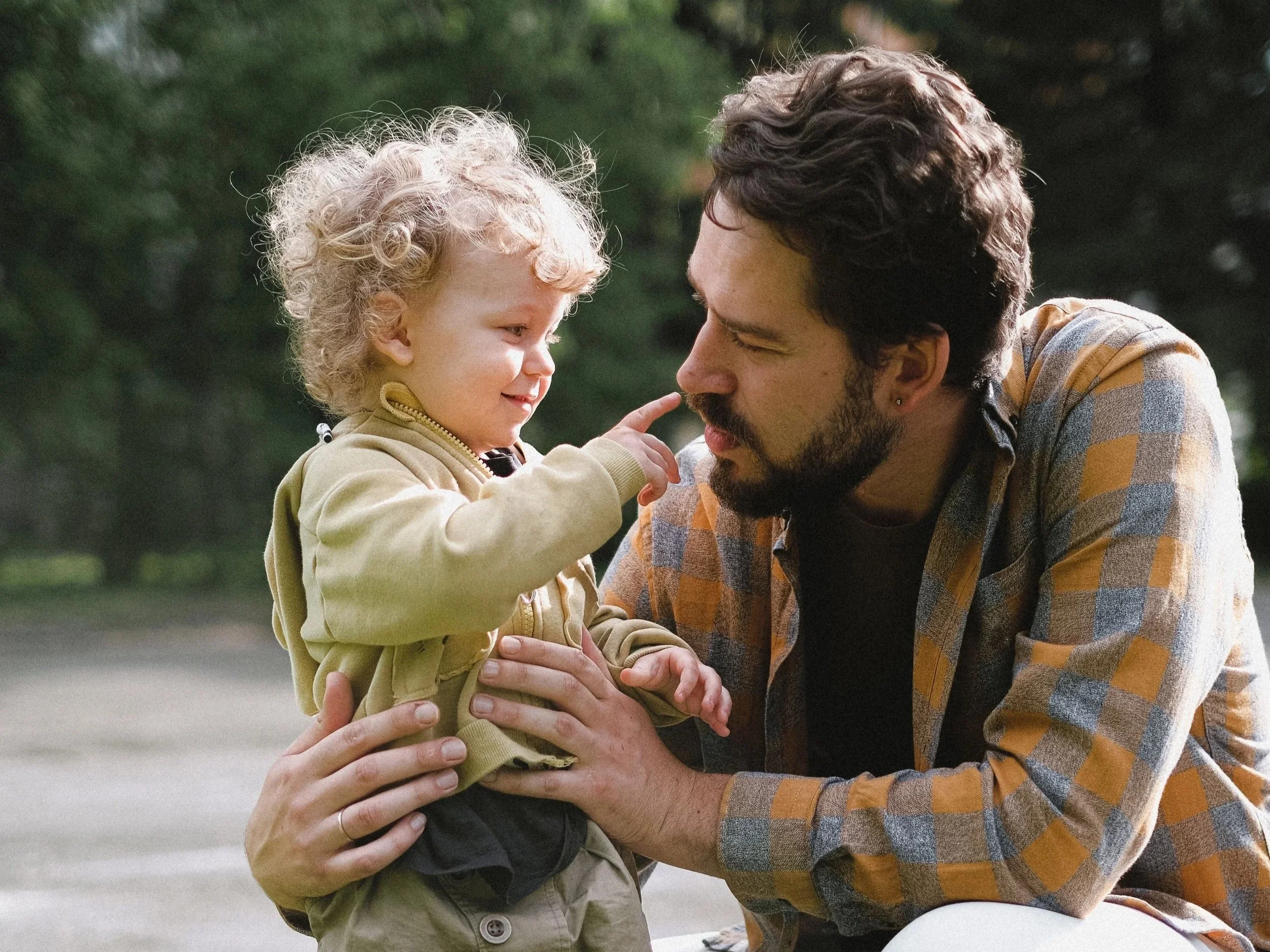
In many ways, this is the essence of attachment-informed prevention education. The work extends beyond managing behavior in a particular moment. It involves creating relational experiences that help children develop the internal capacities necessary for lifelong emotional health. When emotional safety and consistent structure operate together, children develop far more than compliance. They develop self-regulation, empathy, resilience, responsibility, and a secure sense of belonging. They learn that mistakes do not threaten connection, that accountability can exist without shame, and that healthy relationships can withstand conflict and repair.
The Conscious Care Attachment Framework is grounded in the understanding that children are shaped by relationships across environments. Home, school, healthcare, therapy, community programs, foster care, adoptive care, and extended family systems all contribute to the architecture of a child's developing nervous system. When adults across these environments share a common commitment to connection, co-regulation, accountability, and emotional safety, children receive something profoundly important: a consistent relational experience that supports healthy development wherever they live, learn, heal, and grow. In this way, attachment-informed care becomes larger than any single profession, program, or setting. It becomes a shared commitment among the adults who shape children's lives and, ultimately, their emotional inheritance.
